

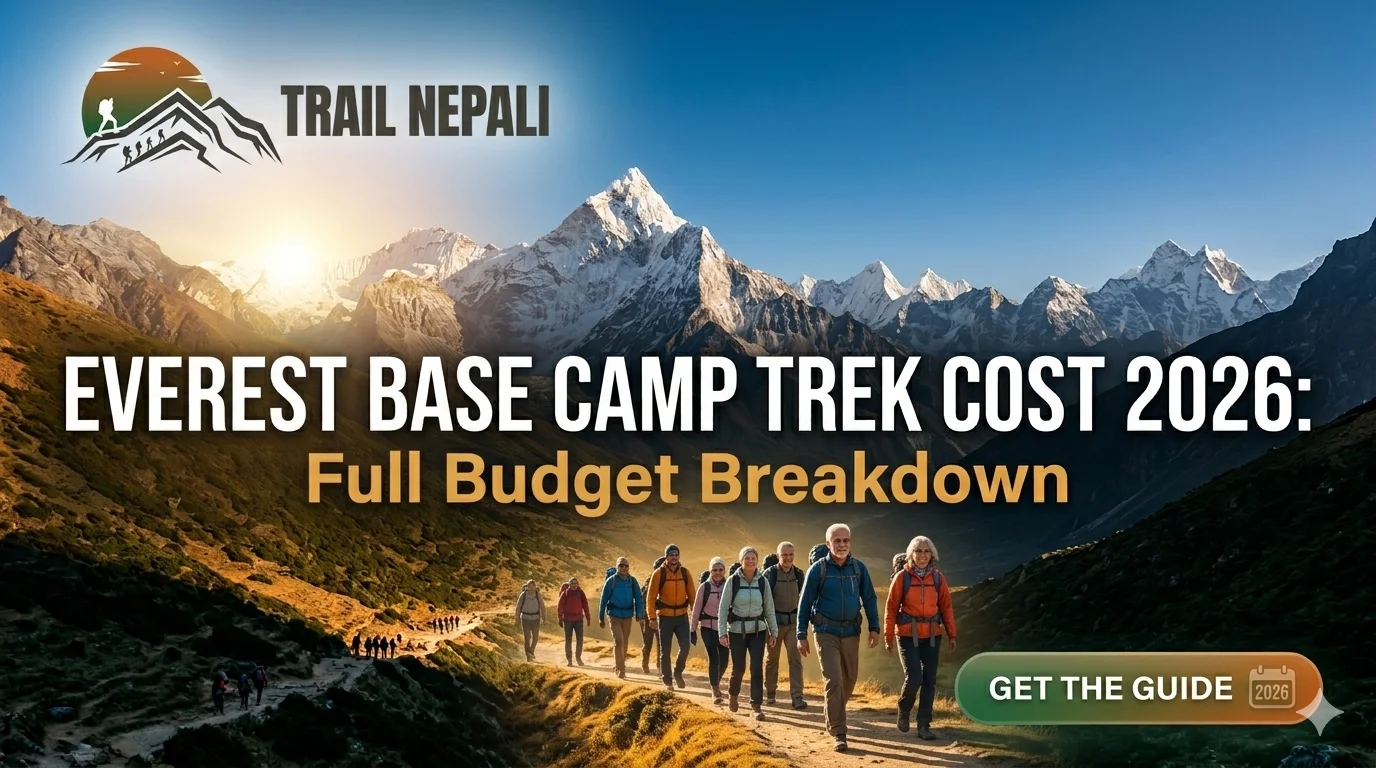

The Everest Base Camp trek is one of the most iconic adventures in the world. For those planning their journey to the base of the world’s highest peak, understanding the Everest Base Camp Trek Cost is crucial.
Whether you’re trekking for adventure, photography, or a unique cultural experience, budgeting is essential for a seamless trip. In this guide, we’ll break down the costs and help you plan your Everest trek effectively for 2026.
What Affects the Cost of the Everest Base Camp Trek?
Several factors influence the Everest Base Camp Trek Cost. These include the season you choose to trek, the duration of your trek, and your choice of services like guides, porters, and accommodation.
Trekking during peak seasons like spring and autumn generally comes at a higher cost due to increased demand. Opting for a longer trek or additional services like a guide or porter will also raise the overall expense.
Accommodation and Meals
Accommodation along the route varies from basic tea houses to more comfortable lodges. Most trekkers choose standard tea houses for a more affordable stay.
Meals are relatively inexpensive in these tea houses, but the cost can rise in higher altitudes. Expect a meal to cost anywhere between $5 to $10, with higher prices in places like Gorak Shep.
National-Specific Cost Breakdown for Everest Base Camp Trek
When planning the Everest Base Camp Trek Cost, it’s important to consider the nationality-specific factors, as these can significantly affect the overall budget. For instance, the cost for Nepali trekkers is much lower than that for international trekkers due to different permit fees and services.
Indian trekkers may also benefit from certain discounts or reduced rates in some cases, such as those for flights from India or specific packages tailored for Indian travelers.
For trekkers from the UK or other countries, the cost of international flights, visas, and more expensive permits may be higher, contributing to an overall increased Everest Base Camp Trek Cost.
Planning for Costs Based on Your Country of Origin
For instance, if you’re trekking from India, your flight will likely be less expensive compared to flights from other countries like the UK or the USA. The cost in Indian Rupees (INR) will also differ based on exchange rates and the services you choose.
Accommodation and Meals: What’s Included in the Cost?
During your Everest trek, accommodation and meals play a significant part in the Everest Base Camp Trek Cost. Accommodation along the route is typically in tea houses or lodges, which offer basic but comfortable stays.
The cost of accommodation increases as you move higher up the trail. In places like Namche Bazaar, a night in a tea house might cost $10-$15, whereas, in Gorak Shep, it can rise to $30-$50 per night.
Meals and Food Costs
Meals are reasonably priced in the lower villages but become more expensive as you ascend. Expect to pay between $5-$10 per meal in places like Namche Bazaar.
At higher altitudes like Gorak Shep, meals may cost as much as $20-$25 per meal, due to limited supplies and higher transportation costs.
Permits, Guides, and Porters: Additional Costs
One of the hidden costs of trekking to Everest Base Camp is the permits. For foreigners, you need to secure a TIMS (Trekkers’ Information Management System) card and a Sagarmatha National Park entry permit. These can total up to $50-$70 depending on the season.
Hiring a Guide and Porter
If you opt for a guide and porter, you can expect additional costs. A guide can cost anywhere from $25 to $35 per day, and porters can range from $20 to $30 per day.
The total cost for guides and porters may vary based on the duration of the trek and the services provided by the company.
Money-Saving Tips for the Everest Base Camp Trek
While trekking to Everest Base Camp can be costly, there are plenty of ways to reduce the Everest Base Camp Trek Cost without compromising on the experience.
First, consider trekking during the off-season, when the prices for flights, accommodation, and even permits tend to be lower. Additionally, traveling in a group can help split the cost of a guide and porter.
Consider Budget Accommodation
Opting for budget tea houses along the trail can save you a significant amount. Booking meals at local tea houses rather than high-end lodges will also keep the cost low. Bringing your own snacks for the trek and limiting expensive bottled drinks will also reduce expenses.
How Much Will the Everest Base Camp Trek Cost in 2026?
In 2026, the Everest Base Camp Trek Cost is expected to be similar to 2025. However, with inflation and potential changes in local pricing, it’s important to plan ahead.
On average, trekkers can expect to spend anywhere from $1,200 to $2,000 for a standard trek to Everest Base Camp, including permits, accommodation, meals, and transportation.
Flight and Travel Costs
Flight costs can vary, but expect to pay between $500 to $1,000 for a round-trip flight from your home country to Kathmandu. From Kathmandu, a round-trip flight to Lukla, the starting point for the trek, can cost an additional $150-$200.
Conclusion: Plan Your Budget for an Unforgettable Adventure
The Everest Base Camp Trek Cost is a significant investment, but with careful planning and budgeting, it’s a once-in-a-lifetime adventure.
By understanding the cost breakdown and considering factors like accommodation, meals, permits, and additional services, you can plan an affordable yet unforgettable journey to Everest Base Camp.
If you’re ready to start planning your trek, contact for personalized trekking packages and expert guidance on how to get the best value for your adventure.
Frequently Asked Questions (FAQs)
1. How much does it cost to trek to Everest Base Camp in 2026?
The average cost for the Everest Base Camp Trek in 2026 is expected to be between $1,200 and $2,000, depending on your choice of services, duration, and personal preferences.
2. What is the cheapest way to trek to Everest Base Camp?
The most affordable way is to choose budget accommodation and meals along the route. Traveling in the off-season and booking group treks can also help reduce costs.
3. Do I need a guide for the Everest Base Camp trek?
While it is not mandatory, hiring a guide is highly recommended for safety and navigation. Guides also enhance the trekking experience with local knowledge.
4. How long does it take to trek to Everest Base Camp?
The standard Everest Base Camp trek takes about 12-14 days, including rest days. However, the trek duration can vary based on individual pace and acclimatization needs.